
Japan’s summer is very hot. It is also extremely humid. The discomfort begins in June, when rising temperatures coincide with the onslaught of the rainy season. By the time the one-month mini-monsoon wraps up in July, Tokyo has been transformed into a torturous concrete cauldron that bakes and broils its inhabitants as they scurry from one air-conditioned refuge to another. 2023 was the hottest summer on record and led to one of the highest amounts of heatstroke-related deaths in recent years. Most victims were elderly—well past retirement age—but younger generations didn’t have it easy either, rushing around to make business meetings, or trying to adhere to the rigorous demands of Japanese school life. Immune systems were under extra strain, trying to fend off all manner of physical and mental stressors, exacerbated by the tiresome, unrelenting climate.
It wasn’t just the heat causing problems, though; nature seemed to be making concerted assaults on several other fronts across the country, some more unusual than others. In addition to the regular typhoons that wreak havoc with their annual punctuality, the flu season—normally confined to the colder months—continued all the way through summer. Even the wildlife appeared to be in revolt, with news sources reporting a large increase in bear attacks—several of them fatal. . . . Want to leave the stress of the big-city furnace behind for a few days and get some fresh air in the mountainside forests? . . . Better think again this year; your chances of being eaten alive are on the rise!
As fate would have it, any exciting escapades I might have embarked upon had been stymied by a mysterious virus that turned me into a jaundiced yellow-eyed zombie. It took me three months to make a full recovery, so when summer finally gave way to autumn at around the same time I started feeling better, I was very happy to see the back of it. Autumn is my favourite season in Japan, and November in particular. By then, the heat and humidity have long gone, the air is crisp, the sky rain-free and most bears have entered hibernation (although this year, there were still 30 attacks in November). I wanted to get out for an adventure, but also hoped to find some peace and quiet as an antidote to the summer’s craziness. I thought I might be able to achieve both by heading to the Yatsugatake volcanic mountain range, which straddles the border of Yamanashi and Nagano prefectures to the west of Tokyo.
In the Japanese language, the word yatsu is one of several used to denote the number eight. Different counter words are applied to different objects (usually determined by shape), but some (like yatsu) are used in a more general sense to cover a broader range of items. In English, Yatsu-ga-take means eight-peaked mountain, and there is an old story behind how that came to be. . . . Legend has it that long ago, Yatsugatake was taller than Mount Fuji, and that in a fit of jealousy, the latter’s mountain goddess tore the former asunder, shattering it to create the shorter, multi-peaked gargantuan that now remains. Fact or fiction? Truth or tall tale? You decide, but as Yatsugatake is even older than Mount Fuji, it’s likely that prolonged geological activity wrought many changes to its shape over the millennia. As things stand now, the highest summit tops out at 2,899 metres and goes by the name of Akadake, or Red Mountain in English.
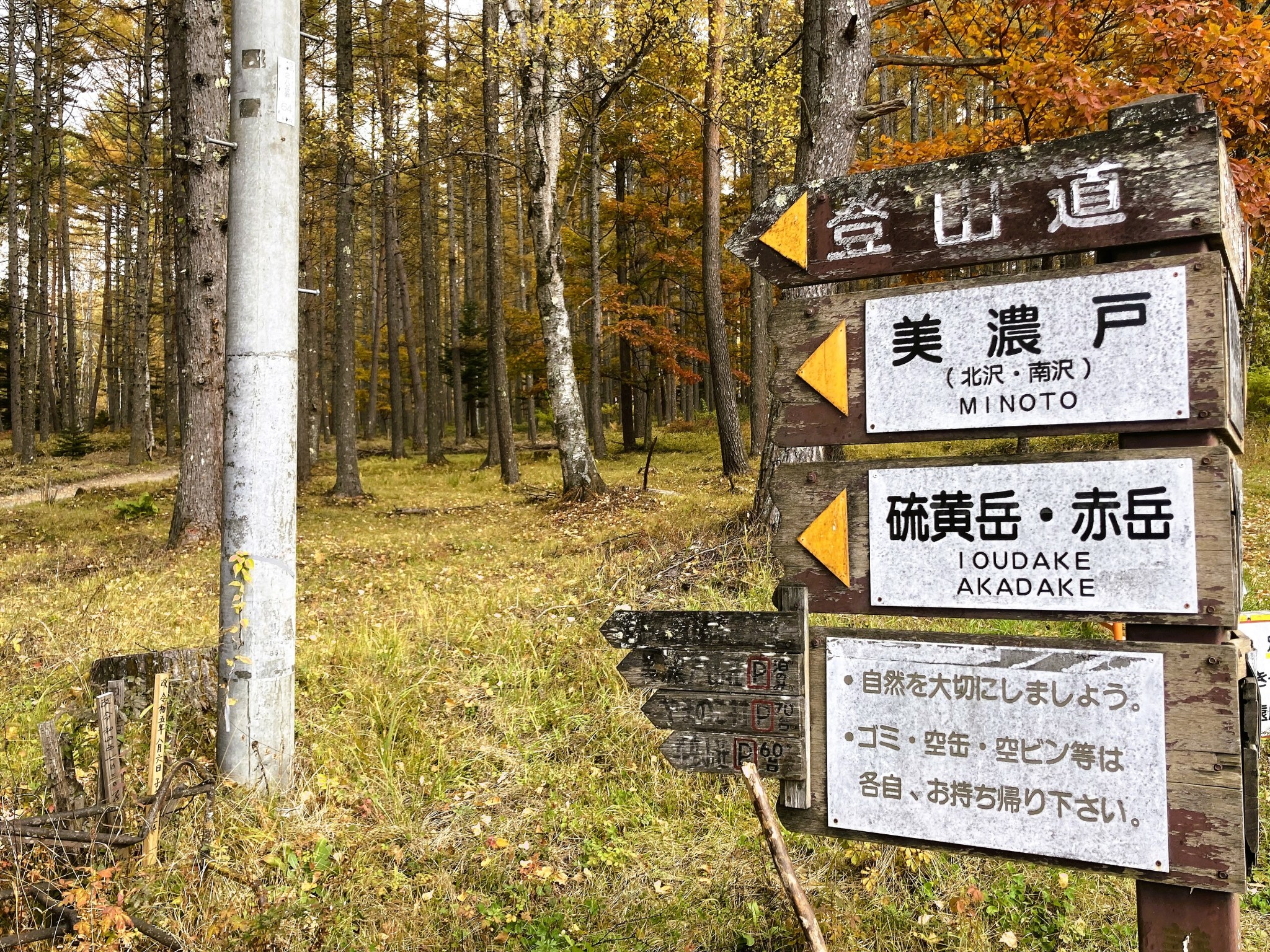
I made the necessary travel arrangements in a hurry after a final hospital visit, where my doctor gave me the all-clear to engage in strenuous exercise again. Three phone calls, two train journeys and one bus ride later, I arrived at the trailhead of Minotoguchi. It was deserted. These mountains are very popular during the main hiking season, but by the end of October, everyone simply vanishes. Mountain lodges start to shutter up before the heavy snow falls, and trails become the sanctuaries of silence I longed for. With the first step of my healing hike completed to my liking (just getting to the trailhead and finding it quiet), I stretched my muscles, adjusted my boots, dropped my two-day hiking itinerary in the designated box and set off. All weather-worn wooden signposts pointed to a path on my left that led deeper into the forest—and, I hoped, to tranquillity.
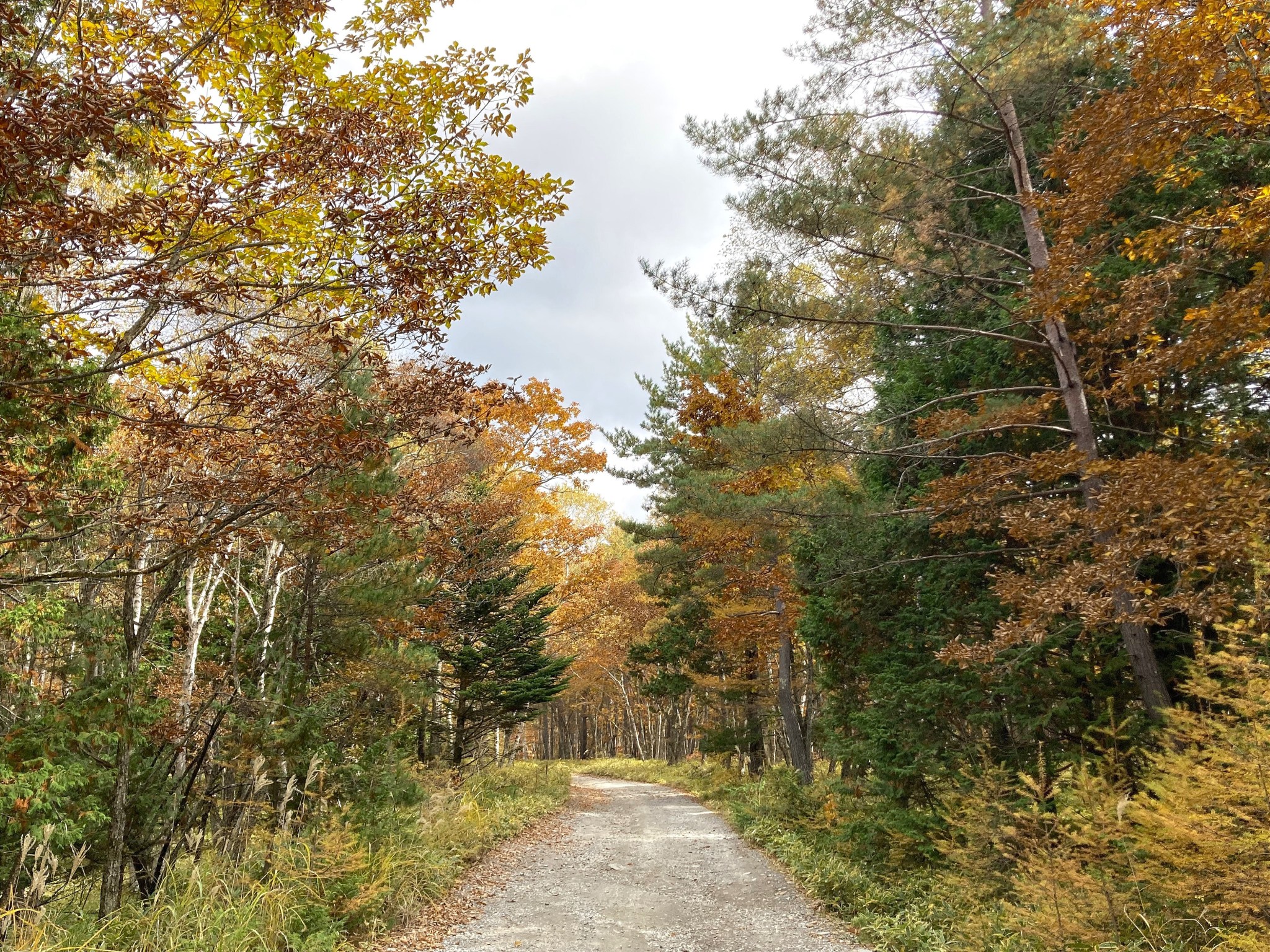
Space, solitude and isolation—just three benefits of the great outdoors. I could feel their positive effects within five minutes of starting to walk. In Japan, the contrast between city and countryside is more pronounced than anywhere else I have been. Here, the biggest urban metropolises lack the healthy amount of greenery interspersed throughout cities such as London, and nature is often viewed as a hindrance—unnecessary decoration that gets in the way of the big grey economic machine. Trees that do line streets seem like prisoners: cordoned off, overpruned—their branches cut back to such an extent that they exude an atmosphere of sadness. When giving them more than a cursory glance, it’s difficult not to draw comparisons with some of the conservative expectations of society. . . . You will be shaped and controlled. You may not grow or branch out in your preferred and natural direction. Follow the rules, dammit! Under those conditions, I ask myself what the point is of them being there at all. Oh, but the countryside! Well, now that’s different.
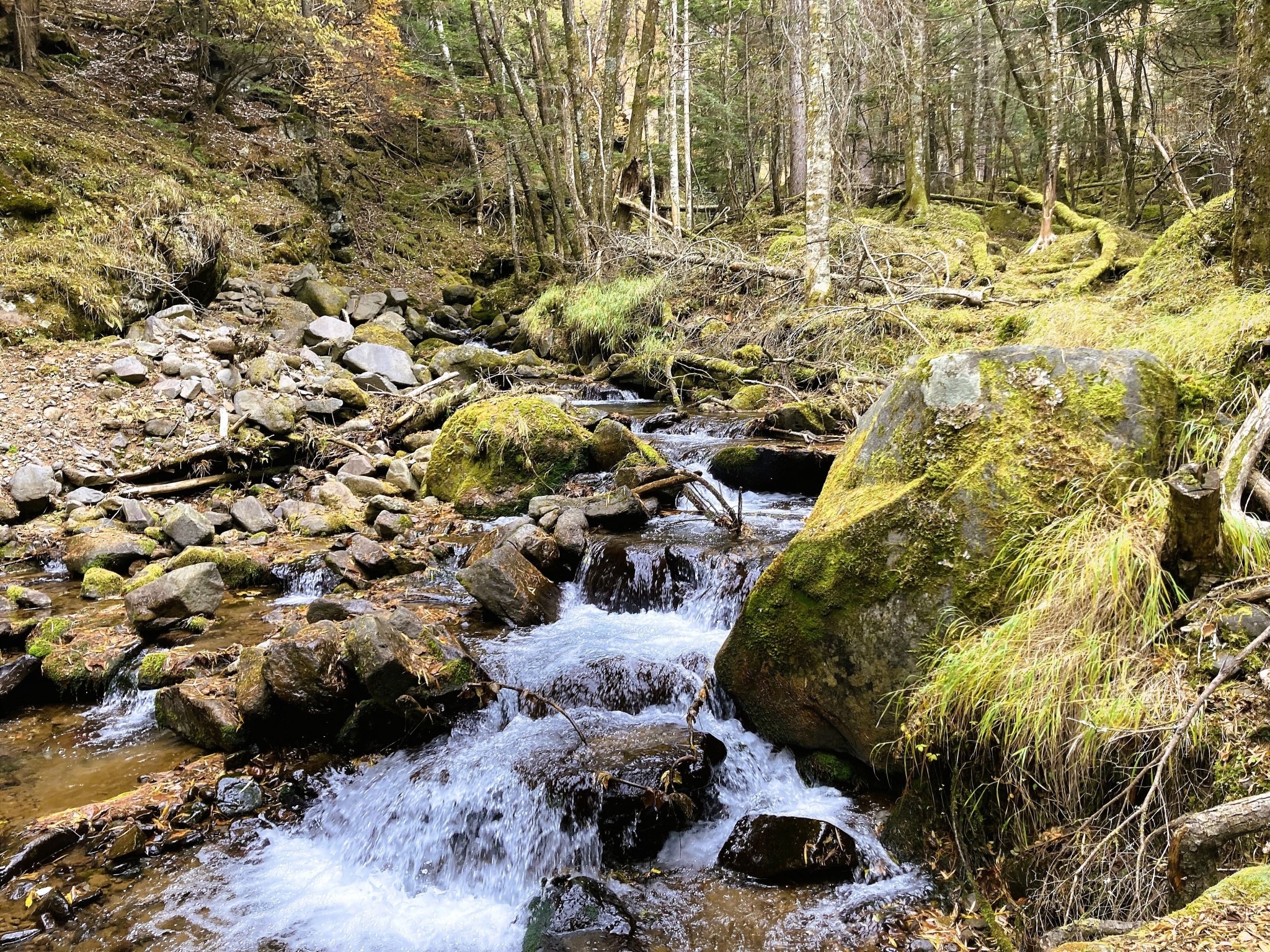
The diversity of Japan’s natural environment is astounding. The northernmost island of Hokkaido offers winter sports enthusiasts some of the best powder snow in the world, while the white sands and transparent waters of Okinawa in the far south can compete with those of Thailand or the Philippines. Then there are the forests and mountains. When living in Tokyo or Osaka, it’s easy to forget that three-quarters of the archipelago is made up of such terrain. From easy half-day adventures through to demanding ascents of 3,000-metre pinnacles, Japan’s mountain-hiking menu caters to all tastes. In late autumn, when trails are free from the constant tinkling of other hikers’ bear bells and the incessant chirping of summer insects, the quietness can be so pervasive that it lends itself to a kind of walking meditation. During my ascent, random thoughts, feelings and long-lost memories floated into my consciousness and popped back out again in no logical order, like multi-coloured bubbles. I had begun to unplug and untangle myself from daily life. The second stage of my healing hike was underway.
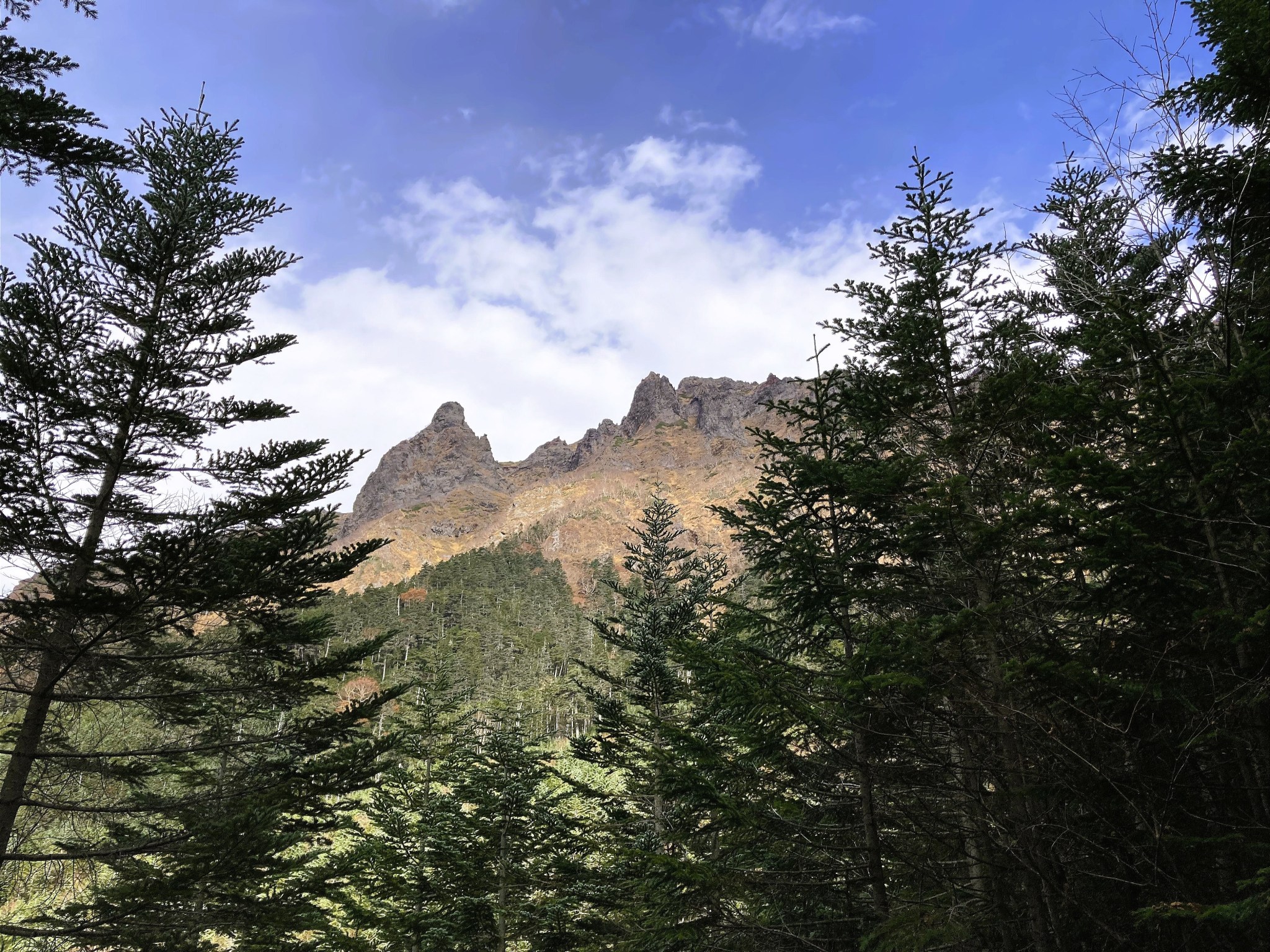
I became aware that I was coming back down to earth mentally while heading upward towards the sky physically—a curious contradiction that felt magnified every time I paused to take in my surroundings. As both processes involved getting my feet back on the ground (the former figuratively, the latter literally), I suppose it makes sense. To me, there definitely seems to be a link between exercising the body in nature and inspiring and motivating the mind—particularly when it comes to writing. Some of my most productive periods come on short, three or four-day trips when I hole up in a small mountain guesthouse. I hike for a few hours in the mornings and write for longer in the afternoons and evenings. The perfect balance of a perfect day.
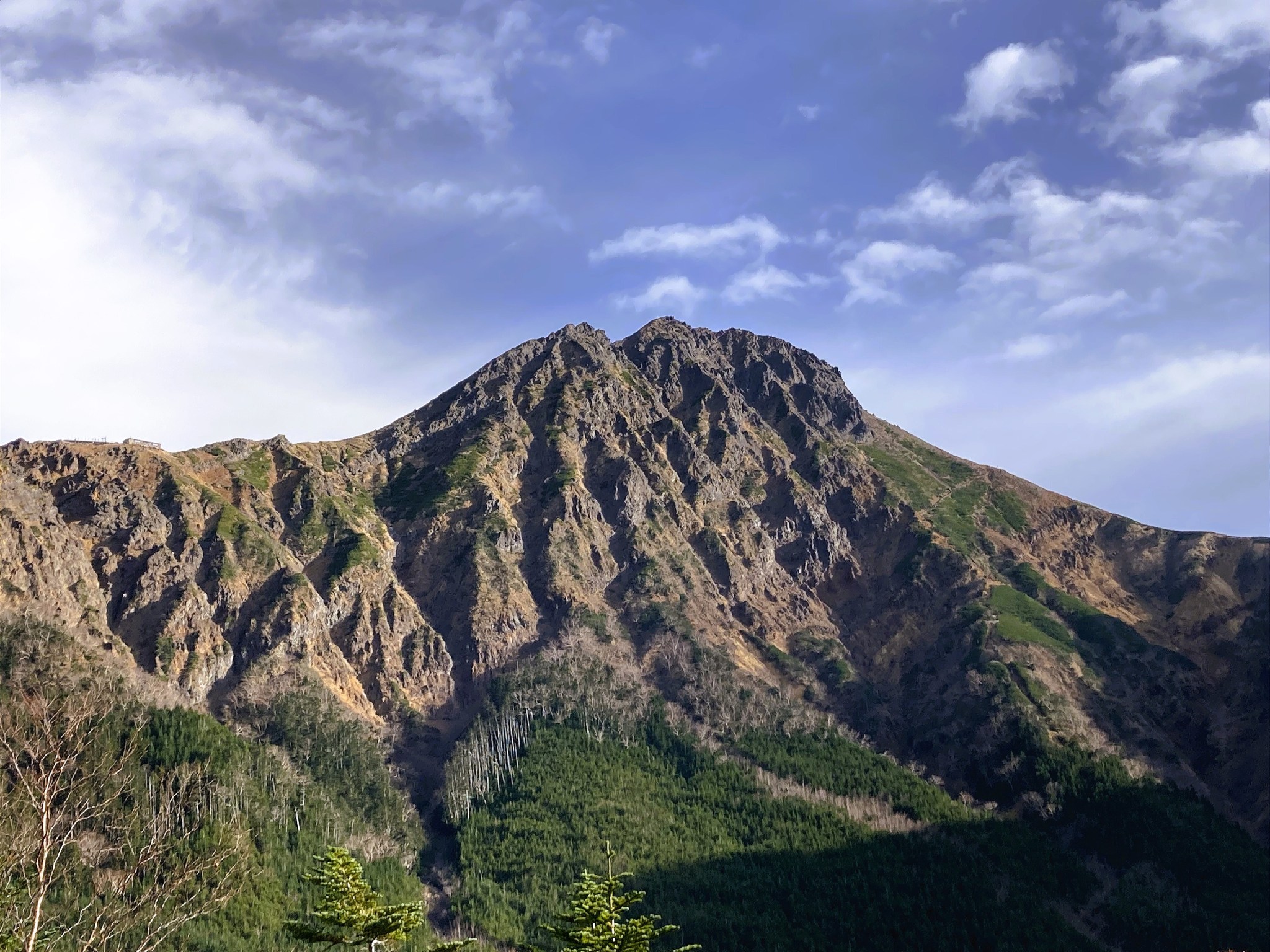
Free of the noise and many constant interruptions the city always seems to threaten, I made good progress, and after a few hours, emerged from the treeline to come face-to-face with the Red Mountain—only it wasn’t red—more of a combination of tan and grey. What! . . . Had I been duped? . . . Was it another case of the abhorrent false advertising so prevalent in our modern world, or just innocent descriptive embellishment? Possibly for the reason of not wanting to be a hypocrite, I found the second possibility a little less irksome, but I was still disappointed. Somewhat crestfallen, and with the peace of mind I had built up during the hike dissipating, I continued on my way. However, like the changing of the seasons, another transformation began, and by the time I reached my accommodation for the evening, it was almost complete.
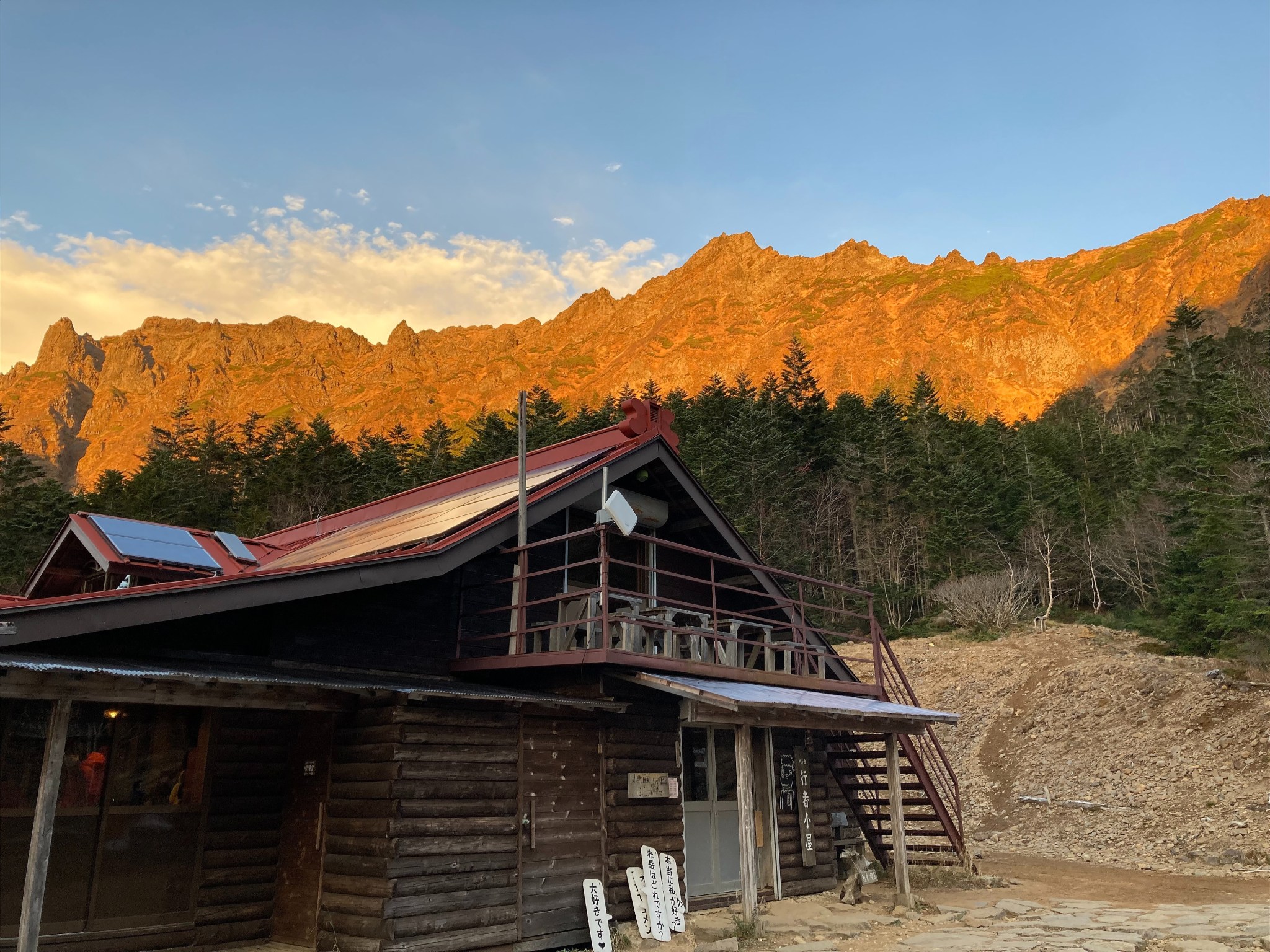
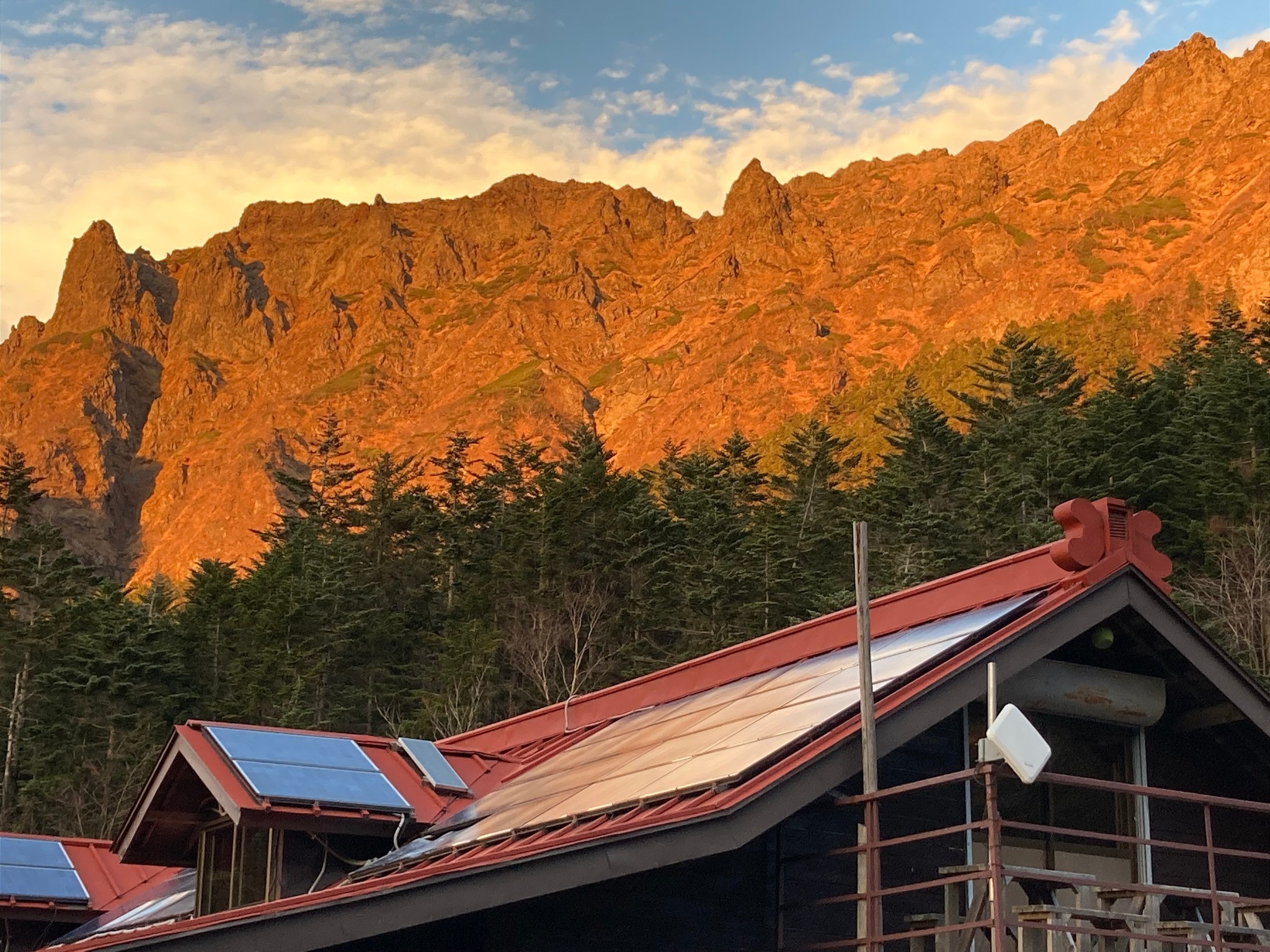
As the setting sun descended towards the horizon, it bathed the range’s western face in a warm amber light, which deepened to a fiery red over a period of thirty minutes or so. I had been too hasty in judging the suitability of the name of Yatsugatake’s most prominent peak. It is a red mountain—at least under the right conditions. I was pleased to have seen its vivid splendour up close and complete stage three of my healing hike, but a sudden drop in temperature caused by the sun’s departure brought my attention back to more practical considerations: I was getting cold and felt tired. Seeking shelter, I lofted my rucksack up over one shoulder and stooped to enter the small lodge. Far from being the cosy and welcoming place I imagined it to be during busier months, inside, I found it empty and a bit eerie.
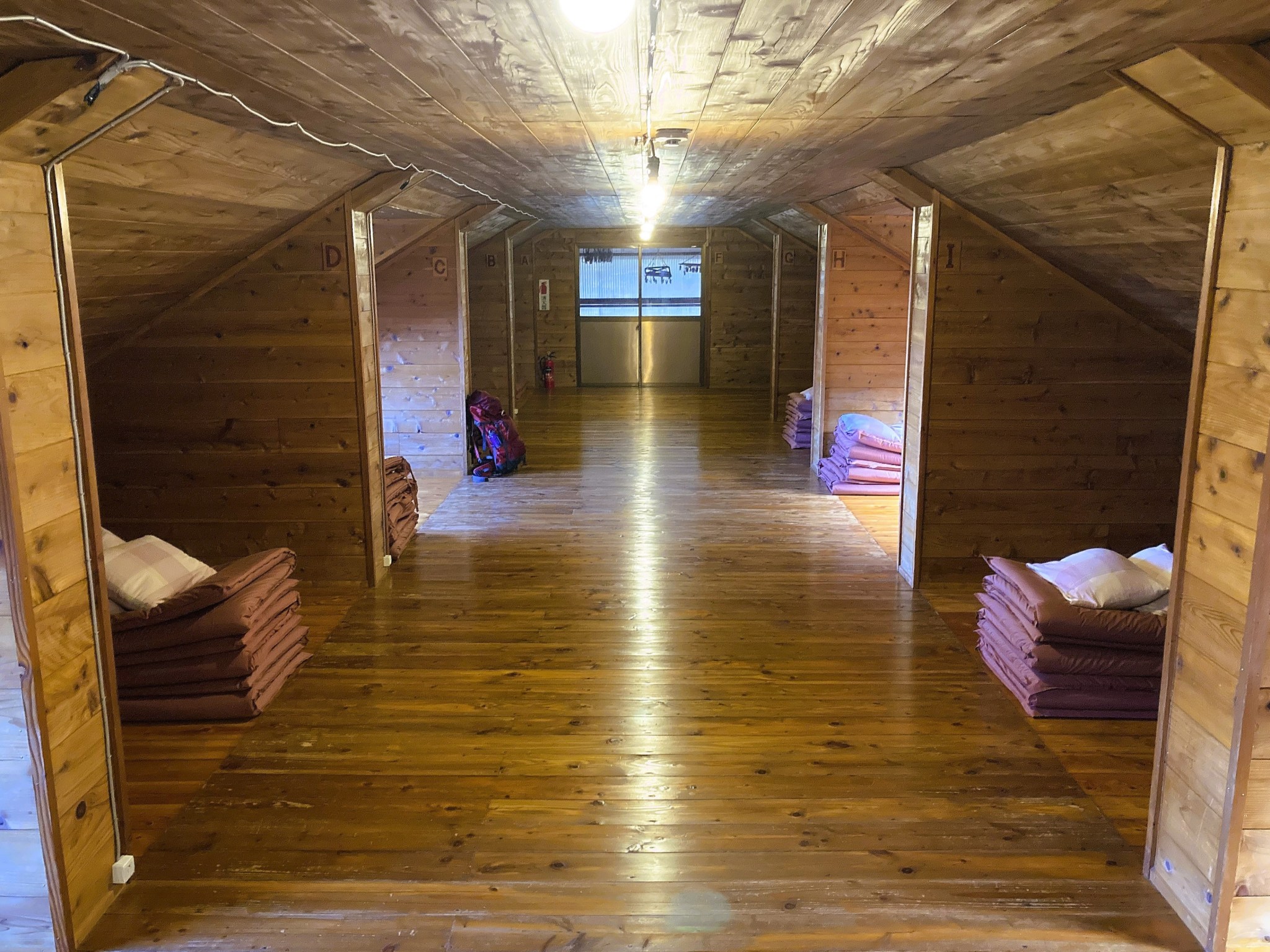
It’s funny how small the degree of separation can be between the appreciation of space, solitude and isolation, and the onset of loneliness, vulnerability and fear. Perhaps it was the polished wood floor or the Kubrick-esque symmetry of the sleeping area, but I felt that I’d chosen to stay in a diminutive Japanese version of The Shining’s Overlook Hotel. Thankfully, the fleeting association stopped there. The doors at the far end of the room remained free from apparitions of ghostly girls, nor did gallons of blood gush out of them at any time during my sojourn. In fact, it turned out that I wasn’t the only person to be staying there at all; two staff members returned from wherever they had been, and a few other autumn adventurers—stragglers who’d gotten a late start—dragged their weary souls and muddied boots over the threshold to rest up for the night.

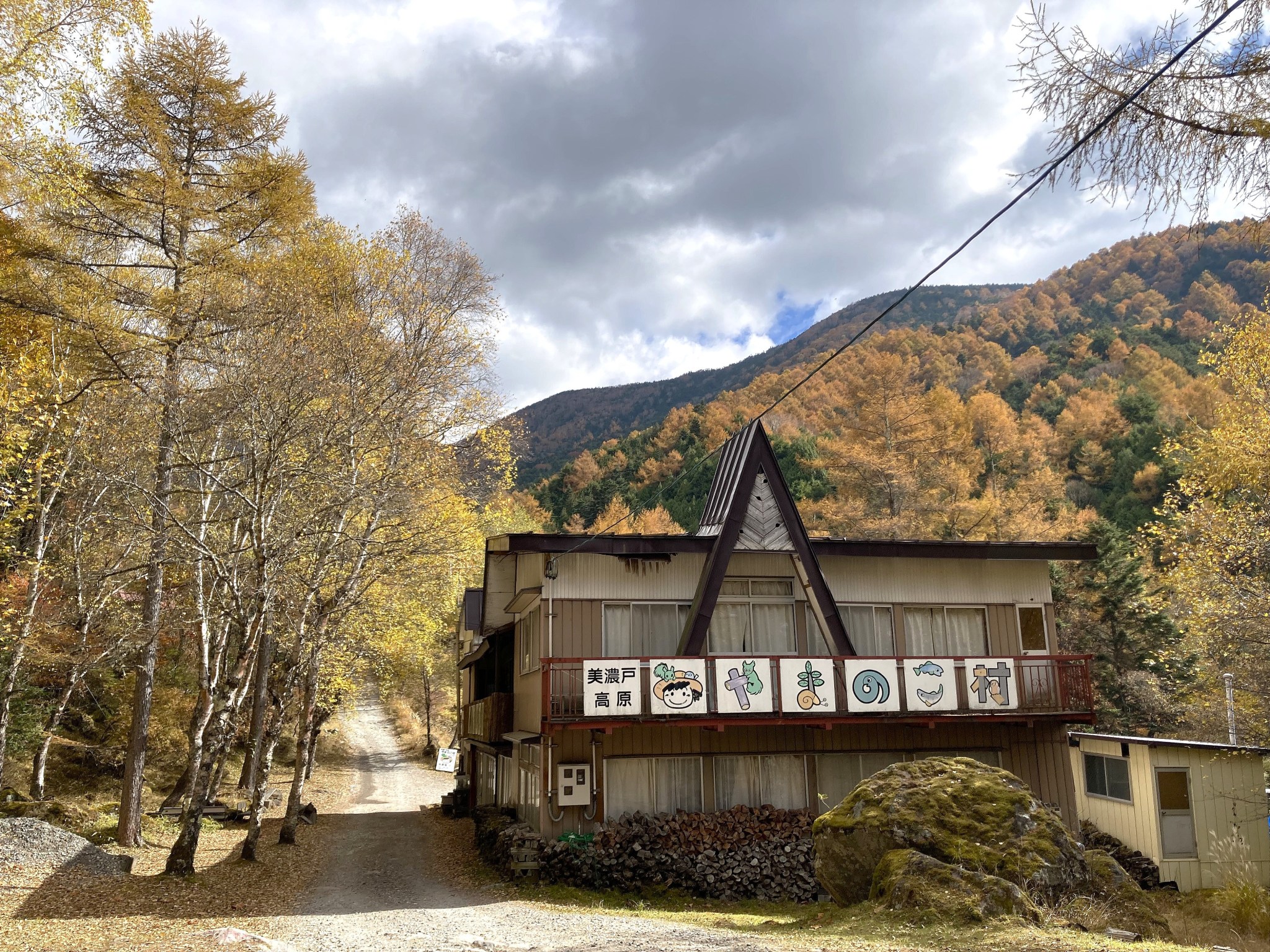
Mountain lodges are present on most popular climbing trails in Japan and usually offer a choice of staying in the building or on its grounds (in your own tent), which works out cheaper but necessitates having to carry a heavier load up from the trailhead. Operating times vary, but some open their doors in late April and can become so crowded over the summer that reservations are essential. Depending on the year, they close down at the end of October or the beginning of November. On this occasion, I stayed on the final night available; the next evening, the lodge would turn into a freezing, vacuous husk, leaving only the moon to act as a beacon of light in the darkness until the following spring. Shortly after that thought invaded the confines of my somnolent mind, I fell asleep.
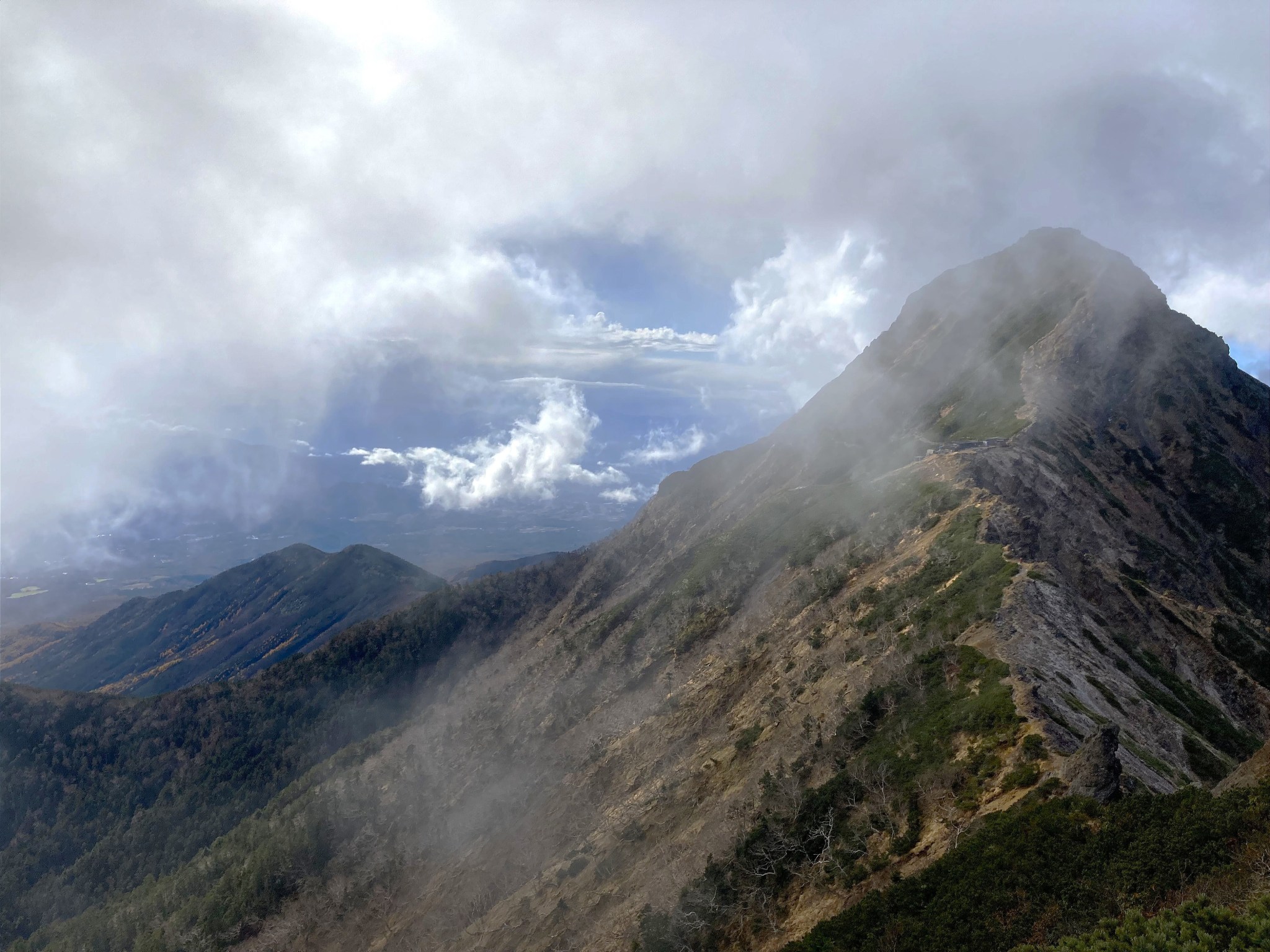
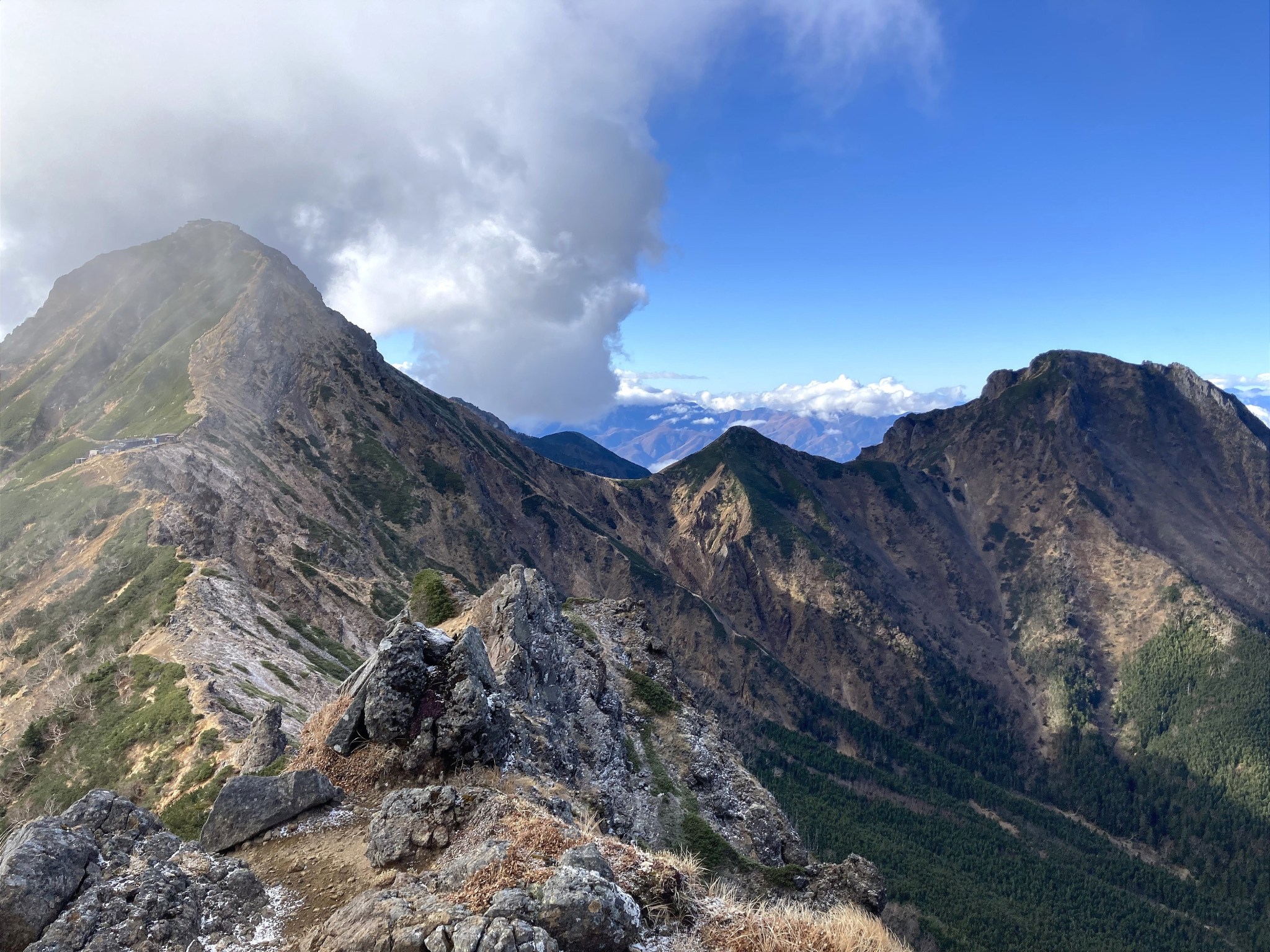
Early to bed and early to rise is the unspoken protocol of mountain time. In strict observance, I woke up at 4:30 and used my headlamp to pierce the pre-dawn gloom. The fourth stage of my healing hike would be to climb up to the ridgeline before summiting Akadake and a sister peak called Yokodake. It’s never easy when the first part of the day’s walking involves a continuous steep gradient, but from somewhere within the mist, the morning breeze seemed to whisper perceptible promises of magnificent views as a reward for my effort. I kept up a decent pace and reached the ridgeline just as the sun began to burn the vapour off Akadake’s summit. Overnight, the Red Mountain had slipped out of its vibrant early-evening wear of the previous day and back into more subdued tan-and-grey attire.
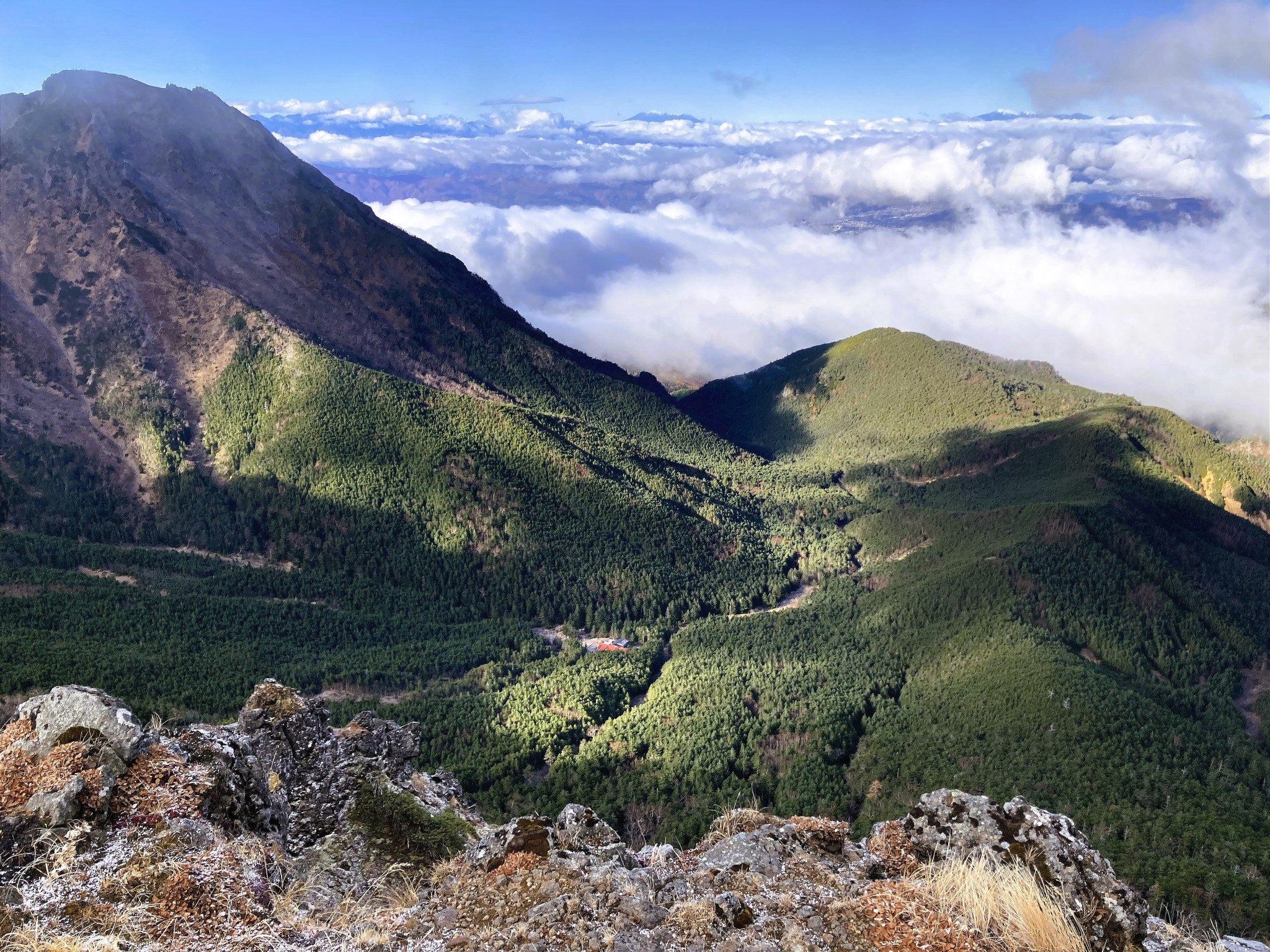
I climbed some more, and a few hours later—summit goals achieved—took a moment to gaze down to where I had started the day. I could just make out the roof of the mountain lodge—a tiny pink pinprick surrounded by an encroaching army of evergreens. Over the course of the morning, the clouds had retreated to the lower reaches and valleys of the range, helping to create the illusion that I was perched on top of a floating island. I stood there for a long time, enjoying the peace and silence, while somewhere far below, the rest of the world lay blanketed from view. That’s when the satisfaction hits—when you’ve reached your intended destination and look back to see how far you’ve travelled. I had done enough, so I started my return.
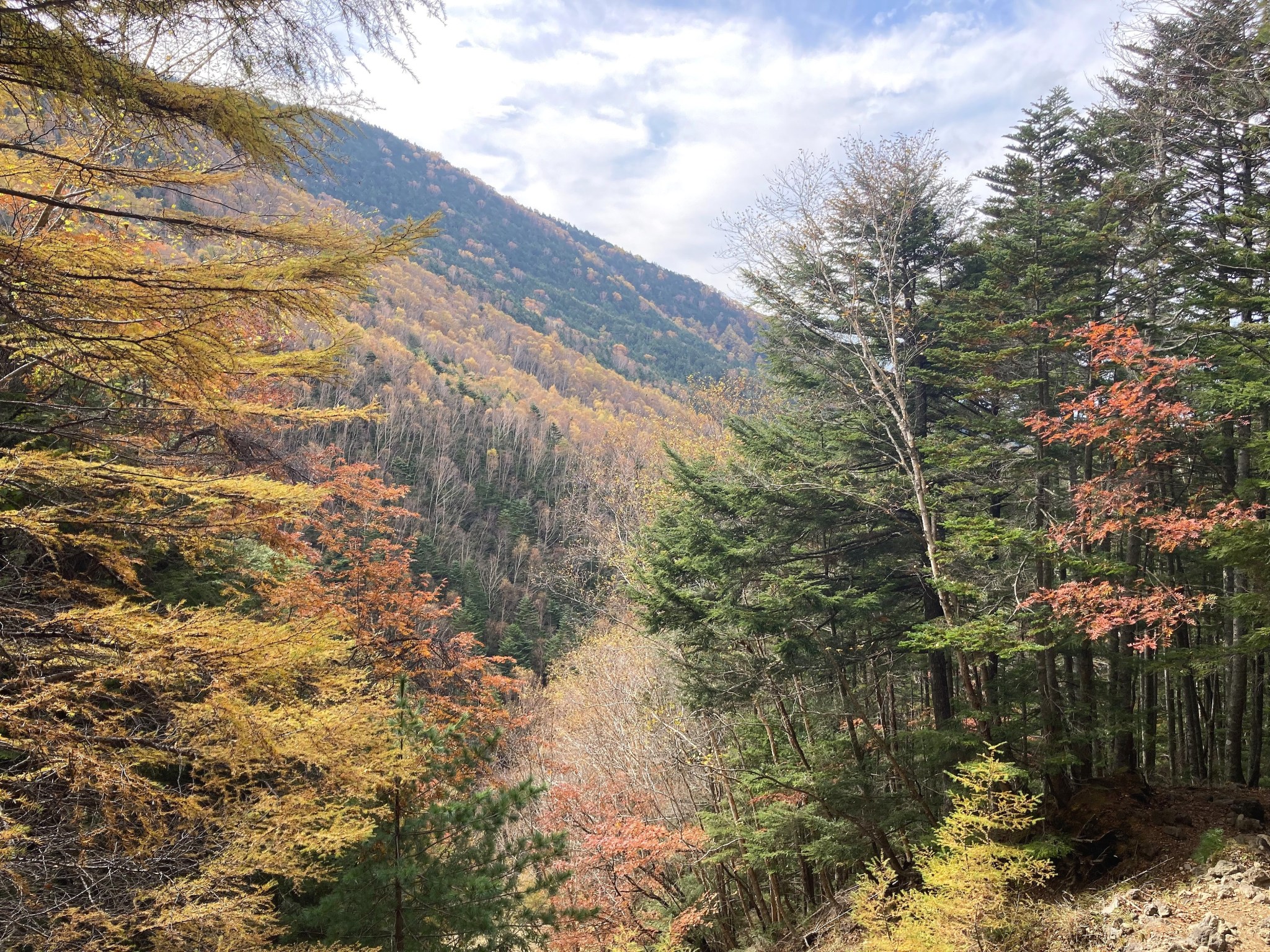
On the way down, I thought about many things. Most of them seemed to be connected by a thematic thread—change. The trees, with their colourful leaves in varying degrees of transformation, served as the instigators. They marked the fact that summer had gone but also indicated that autumn was already well on its way to becoming winter. Some changes take place more slowly than others, but everything is always in flux: the seasons, situations, routines, health, states of mind and, as I discovered, even the colour of mountains. Sometimes, change may cause us to lose balance as it knocks us off course with no prior warning, but at other times—when we are in sync with it—we can use it to our advantage.
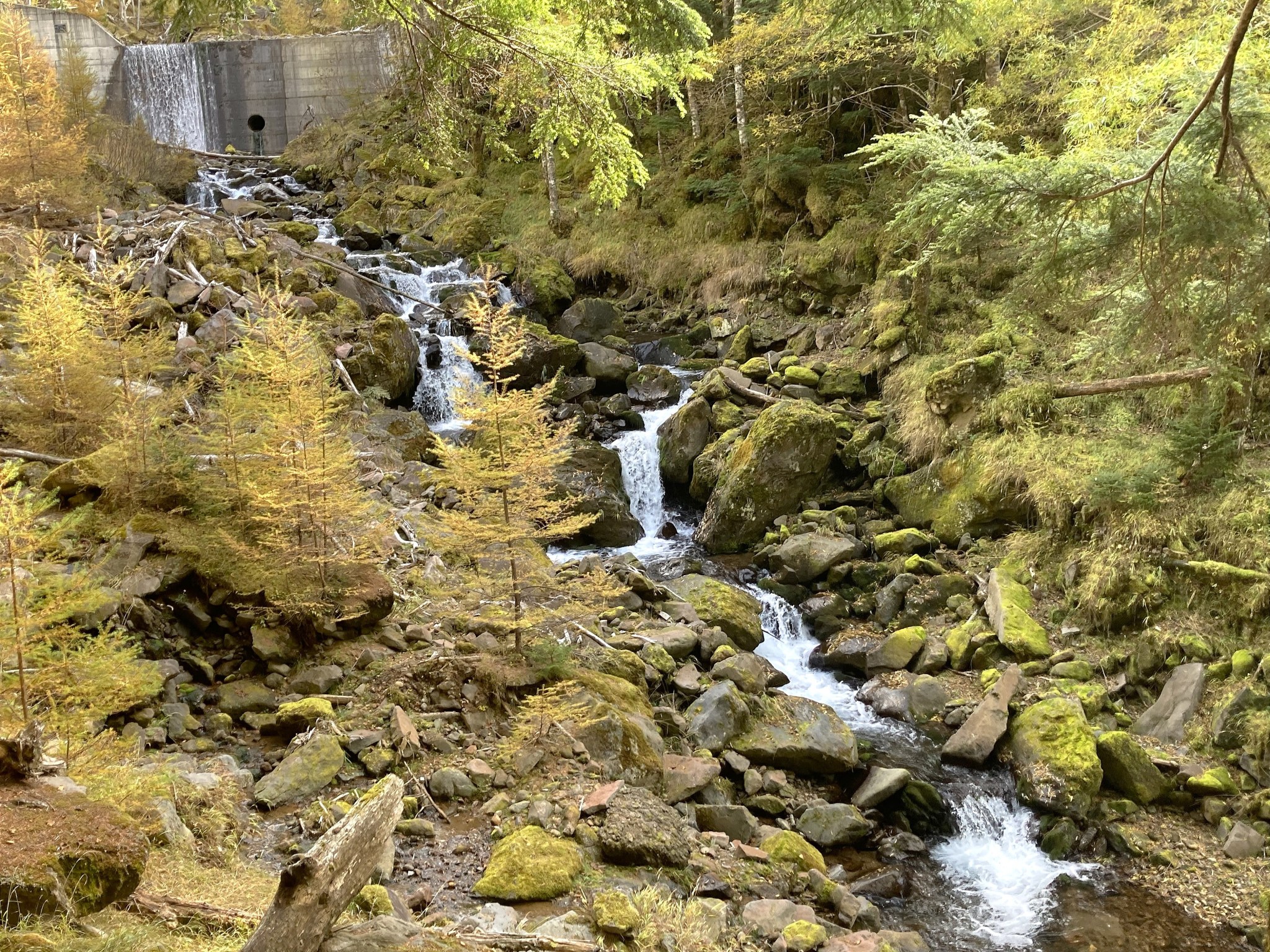
The two days I had spent in nature had enabled me to recalibrate—each stage of my journey delivering a positive effect. Towards the end of the trail, I came across a waterfall. It was flowing away from something concrete and ugly, gaining momentum and increasing in energy one step at a time as it made its way through the forest. . . . Had I not been doing the same? A short while later, I completed the fifth and final stage of my autumnal adventure. The Red Mountain had provided the antidote I had needed. Refreshed in body, mind and spirit, I felt ready for winter and something new.

A Note on the Images:
The photographs featured in this piece were all taken by Philip S. Kay.
 Escape & Adventure